

Famous Festivals in the Philippines:
A Celebration of Faith, Culture, and Joy
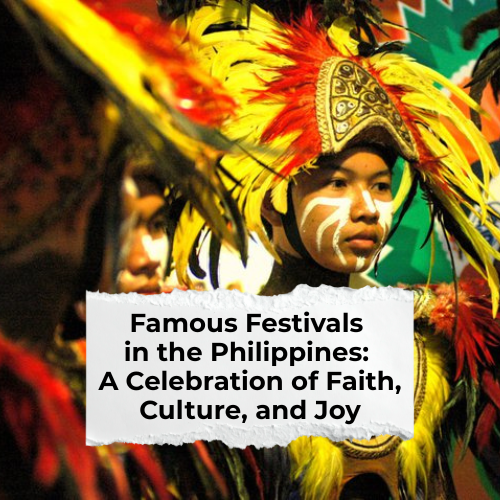
Before dawn, Cebu’s streets pulse with festival drums. A surge of bright costumes in red, yellow, and gold sweeps the crowd. Imagine stepping into these lively streets, your heart syncing with the music, as you catch flashes of color and excitement nearby. A nation is defined by more than landscapes or food; it’s how people celebrate life. Festivals in the Philippines express faith, memory, resilience, and shared identity, revealing the Filipino spirit at its brightest.
From large parades to small town fiestas, these celebrations show that joy is shared, faith is practiced, and history is remembered together. Each dance, drumbeat, costume, and prayer tells the story of the Filipino people and their roots. It is through festivals in the Philippines that this cultural heritage comes vividly to life.
This guide introduces the most famous festivals in the Philippines, the values they represent, and why they are important cultural celebrations worldwide.
The Deeper Meaning of Festivals in Filipino Life
To understand festivals in the Philippines, look beyond the spectacle. At their heart, these events are about community gratitude. Towns spend months preparing—cleaning streets, making costumes, and saving to welcome visitors. Young people join clean-ups, design banners, and help with school performances.
In Lucban, families and neighbors weave kiping rice wafers weeks ahead, turning homes into colorful displays. Students often volunteer with decorations or learn crafts from elders, passing on skills and pride. Other towns rehearse novena songs for dawn Masses, voices united in thanks. These preparations build anticipation and togetherness before the celebration begins.
Festivals in the Philippines began as pre-colonial rituals that honored nature, harvests, ancestors, and spirits. When Spanish missionaries arrived, they brought Catholic feasts that blended with local customs, creating celebrations that are joyful, respectful, lively, and welcoming (Obando Fertility Rites, 2024).
This blended belief system can be seen in places like Obando, Bulacan, where the Obando Fertility Dance survives to this day. Here, participants dance and pray for children and good fortune, a practice that combines ancient fertility rites with the Catholic feast days of Saints Claire, Paschal, and Isidore (Delfin, 2025).
Many festivals in the Philippines begin with novenas, dawn Masses, and processions, followed by music, dance, and feasting. This combination reflects a worldview where spirituality and daily life are closely connected.
Sinulog Festival: A Dance That Tells a Nation’s Story
Each January, Cebu hosts the Sinulog Festival, honoring the Santo Niño and the arrival of Christianity. The main event is a lively parade, with dancers in colorful costumes performing a unique forward-backward step to drumbeats. This dance symbolizes water’s movement and the shift to the Christian faith. People chant “Pit Señor!” and carry images of the Santo Niño, turning the streets into a moving prayer.
Sinulog is more than just a big parade; it means a lot to those who join. Many people walk barefoot in processions, make prayers, or dance to give thanks. As one devotee shared, “Walking barefoot is my way of asking for guidance and saying thank you. Each step is a prayer.” This shows that the festivals in the Philippines are real acts of faith, not just performances.
Ati-Atihan Festival: Raw, Ancient, and Unfiltered
Ati-Atihan, held in Kalibo, Aklan, is often called the “Mother of All Philippine Festivals.” It’s famous for its lively atmosphere and the way everyone gets involved, making it one of the most exciting festivals in the Philippines (Kalibo Sto. Niño Ati-Atihan Festival: A fusion of religious, cultural, and economic elements, 2026).
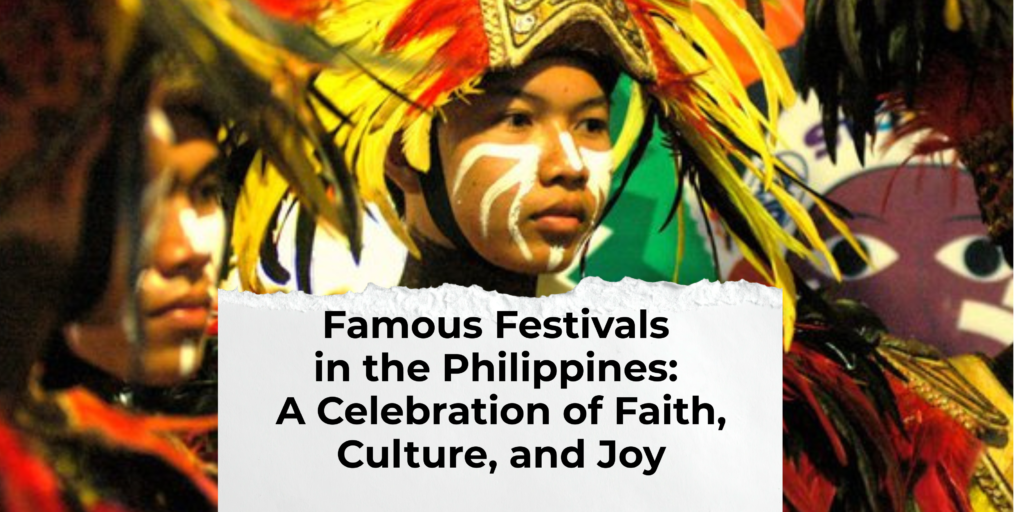
People join in by painting their faces with soot or dark makeup to look like the Ati, the island’s first people. Drums beat nonstop as crowds chant, dance, and move together without set routines.
Ati-Atihan breaks down social barriers and invites everyone to take part. This openness shows the Filipino way of celebrating, where everyone is welcome.
While Ati-Atihan thrives on spontaneous participation and free-flowing energy, the next festival, Dinagyang, offers a deliberate contrast. Here, discipline and precision take center stage, revealing another dimension of the same shared devotion.
Dinagyang Festival: Precision, Power, and Performance
In Iloilo City, the Dinagyang Festival shows how cultural celebrations reach world-class levels. Dinagyang stands out for its competitive performances and precise dance routines, while honoring the Santo Niño. The dances tell the story of Malay settlers meeting local tribes, making it one of the must-see festivals in the Philippines.
But Dinagyang’s drive for choreographic excellence reveals something deeper about the city’s identity. Iloilo’s performers pour months of hard work into perfecting each step, treating every competition as a point of civic pride. For locals, winning at Dinagyang is not just about the event itself: it is about showing the rest of the nation Iloilo’s spirit, discipline, and unity. The fierce dedication to precision onstage mirrors the community’s desire to be seen as a center of culture and creativity, connecting every routine to the city’s heartbeat.
After Dinagyang’s showcase of discipline and pride, the spotlight shifts north to Baguio, where Panagbenga, or the Flower Festival, celebrates nature and recovery.
First held after the 1990 earthquake, the Panagbenga Festival stands for recovery and renewal. Flowers, floats, dancing, and art turn the city into a vibrant garden. Festivals in the Philippines help communities heal and move forward together after hardship.

Homes for Sale: 12 Critical Mistakes to Avoid Before You Buy
February 27, 2026

Kitchen Remodel: 15 Powerful Cost & Contractor Tips
February 27, 2026

Emergency Dental Clinics: 10 Urgent Dental Care Secrets
February 26, 2026
Pahiyas Festival: Gratitude Made Visible
In Lucban, Quezon, people show their gratitude during the Pahiyas Festival. Homes are decorated with kiping, colorful rice wafers, to celebrate the harvest and honor San Isidro Labrador every May.
Homes are adorned with kiping, colorful rice wafers shaped into leaves, flowers, and patterns as offerings of thanks for a good harvest. Pahiyas is a public celebration of gratitude, with blessings shared by the whole community.
Kadayawan Festival: Honoring Indigenous Roots
Held every August in Davao City, the Kadayawan Festival is a vibrant celebration of life, harvest, and Mindanao’s rich cultural diversity. What makes Kadayawan unique is its focus on honoring the city’s indigenous peoples, such as the Bagobo, Manobo, Ata, Matigsalug, and other Lumad groups. Colorful parades, dances, and exhibits showcase traditional clothing, rituals, and music, highlighting the heritage and contributions of these communities.
The Kadayawan festival serves as a reminder that progress and unity can be achieved while proudly maintaining and respecting indigenous roots. Like other festivals in the Philippines, Kadayawan emphasizes unity in diversity.
The Kadayawan festival serves as a reminder that progress and unity can be achieved while proudly maintaining and respecting indigenous roots. Like other festivals in the Philippines, Kadayawan emphasizes unity in diversity.
MassKara Festival: Smiling Through Adversity
Bacolod City’s MassKara Festival began in 1980 during a period of economic crisis and tragedy. Bacolod suffered the collapse of the sugar industry and a tragic ferry accident, prompting local artists and leaders to create a festival featuring smiling masks and bright costumes to uplift the community. This tradition uniquely symbolizes hope during hard times (Star, 2014).
Even in tough times, Filipinos choose hope. Unlike other festivals rooted in ancient rituals or religious devotions, MassKara stands out for turning adversity into a public symbol of resilience through its signature smiling masks and energetic street celebrations. Festivals in the Philippines become ways for everyone to show their strength together.
Moriones Festival: Faith, Sacrifice, and Reflection
Unlike the lively street festivals, the Moriones Festival in Marinduque is a solemn and dramatic show of faith. It features a reenactment of Longinus’s story during Holy Week, with participants in Roman masks and armor. The festival highlights penance, conversion, and spiritual renewal (Moriones Festival, n.d.).
Flores de Mayo and Santacruzan: Beauty as Devotion
Throughout the month of May, communities across the country honor the Virgin Mary through Flores de Mayo and the Santacruzan procession.
Young women dressed as queens represent biblical figures, virtues, and Marian titles during these events. This tradition honors Marian devotion with a unique Filipino mix of religious pageantry and community involvement.
These events also show that festivals in the Philippines are more than tourist attractions—they are a deep part of community faith. Filipino food is central to these celebrations. Each festival brings together family, neighbors, and guests at a communal table.
Music and dance pass stories from one generation to the next. Drums carry old rhythms, and chants keep history alive. These traditions help festivals in the Philippines stay meaningful and alive.
Most importantly, festivals strengthen bayanihan, the Filipino spirit of working together and helping each other. Indigenous patterns, dances, and rituals preserve traditional movements and maintain spiritual significance.
As the world changes quickly, festivals in the Philippines help preserve identity, ensuring heritage is not just remembered but lived.
Tourism, Economy, and Cultural Responsibility
Festivals in the Philippines help local economies by creating jobs for artisans, performers, and small businesses. (Fiesta Fever: Celebrating Life, Faith, and Community, 2024) But as they become more popular, there is also a responsibility to protect their true meaning. Responsible tourism can support this: travelers can choose to book with local guides, buy from community artists and small vendors at festival stalls, and respect traditions by learning about the festival’s cultural background before joining in.
Some festivals in the Philippines encourage visitors to use reusable containers, join cleanup drives after events, or donate to projects that help preserve heritage sites. Students and local youth also play a big role in protecting these celebrations. For example, student groups might organize workshops on traditional crafts, volunteer as guides during parades, or help elders document songs and dances using digital tools.
These simple actions ensure that the heart and spirit of Philippine festivals remain strong, even as they welcome more visitors. Sustainable tourism and cultural education are essential to this effort.
These simple actions ensure that the heart and spirit of Philippine festivals remain strong, even as they welcome more visitors. Sustainable tourism and cultural education are essential to this effort.
A Nation That Celebrates Together
All festivals in the Philippines share a spirit of inclusion. Whether they are religious or not, big or small, these celebrations invite everyone to join in.
They remind Filipinos that identity is something to celebrate together. Through festivals in the Philippines, the country keeps renewing its faith, culture, and shared happiness.
Final Reflection: Why Festivals Define the Filipino Soul
Experiencing a Filipino festival lets you see the heart of the nation. It’s faith shown in dance, history told through music, and hope shared in color and sound. Just as during the Sinulog Festival, when thousands move in unison to the rhythm of drums, carrying the image of Santo Niño through the streets of Cebu, every Filipino festival is a living, beating prayer.
This shared movement, this coming together—each step, each song, each offering—defines the Filipino soul. In a world that often overlooks collective celebration, festivals in the Philippines serve as living reminders that joy, gratitude, and faith are strongest when shared.



If you need Guest Posts like this, contact PH Workers Online – SEO Agency, the best SEO company in Isulan. As the top digital marketing agency in Isulan, we deliver results. Choose our digital marketing company in Isulan for your SEO needs. PH Workers Online is the best SEO Philippines can offer.
Rank Lift Hub is proudly powered by WordPress